The Ultimate Guide to Buying New Pallets: A Comprehensive Overview
When it pertains to logistics, storage, and transportation, pallets play a critical function in guaranteeing goods are dealt with efficiently and securely. Whether you are a company owner requiring to transport products or a private looking for a reliable method to store items, investing in new pallets can considerably improve your operational effectiveness. This post will look into the different types of pallets offered, the benefits of acquiring new pallets, and elements to think about when making your purchase.
Understanding Pallets: A Quick Overview
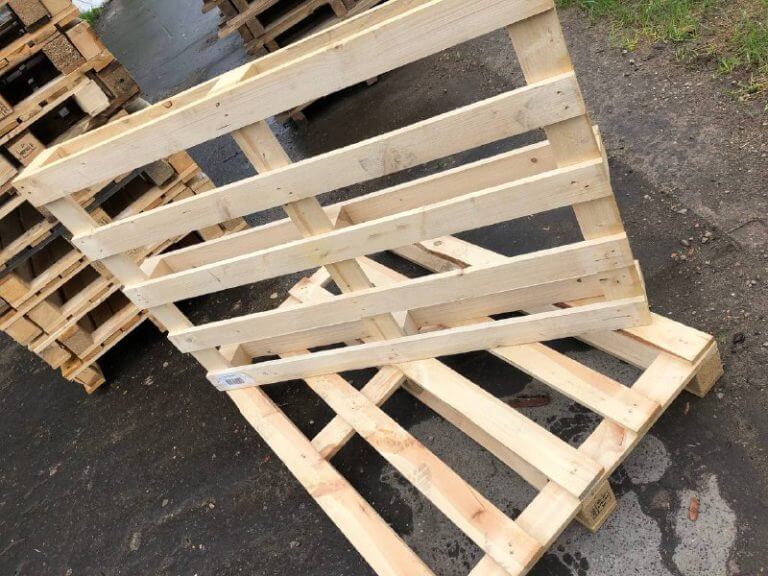
Before diving into the purchasing procedure, it's important to understand what pallets are and their primary purpose in logistics. A pallet is a flat structure that supports items in a stable way while being lifted by a forklift, pallet jack, or other jacking gadgets. They are frequently made from wood, plastic, or metal and can be found in different sizes to accommodate different types of products.
Types of Pallets
Here's a breakdown of the most common types of pallets used in the industry:
| Type | Material | Benefits | Drawbacks |
|---|---|---|---|
| Wooden | Wood | Affordable, robust, commonly available | Prone to splintering, less durable |
| Plastic | High-density polyethylene | Resilient, moisture-resistant | More costly, can become breakable in time |
| Metal | Steel or Aluminum | Incredibly durable and lasting | Heavy, high cost |
| Cardboard | Corrugated cardboard | Lightweight, recyclable | Not suitable for heavy loads or wetness |
Advantages of Buying New Pallets
- Quality Assurance: New pallets are manufactured with high requirements for toughness and strength, making sure that your products remain secure during transport and storage.
- Customizability: New pallets can be customized to fit specific dimensions or load requirements, making them appropriate for unique products.
- Improved Hygiene: For industries like food and pharmaceuticals, new pallets offer a tidy, contamination-free solution compared to reused or fixed pallets.
- Constant Performance: New pallets deal predictability in load capacities and dimensions, reducing the threat of damage to goods.
- Decreased Maintenance: New pallets need less maintenance than older ones, translating to cost savings in the long run.
Elements to Consider When Buying New Pallets
1. Function and Usage
Before acquiring new pallets, think about the specific purpose they will serve. Are visit website intended for short-term storage, long-distance shipping, or specialized applications? Understanding how you prepare to utilize the pallets will assist you pick the right product and design.
2. Load Capacity
Different materials and designs use differing load capacities. It's essential to establish the weight and measurements of the goods you will put on the pallets to choose a suitable option.
3. Product Choice
As highlighted in the table above, the product from which the pallet is built plays a substantial function in its durability and application. Think about the advantages and disadvantages of each product to make an informed decision.
4. Compliance and Standards
Various industries have varying compliance standards relating to pallets. Ensure that the pallets you purchase meet essential policies, particularly if transporting products worldwide.
5. Expense Efficiency
While it might be tempting to select the cheapest option, think about the long-lasting worth rather than simply the preliminary cost. In some cases investing in higher-quality pallets can lead to higher savings in time due to reduced damage and maintenance.
6. Supplier Reputation
Pick a reliable supplier known for providing high-quality pallets. Research customer evaluations and testimonials to ensure that you are handling a trustworthy service that guarantees their products.
7. Sustainability
Numerous organizations are ending up being increasingly familiar with their environmental effect. Consider buying pallets made from sustainable materials or those that are recyclable to line up with environment-friendly practices.
Where to Buy New Pallets
- Producers: Purchasing straight from manufacturers can often supply considerable savings and custom choices.
- Distributors: Many distributors bring a series of pallets and can provide competitive prices and bulk discount rates.
- Online Marketplaces: Websites like Amazon, Alibaba, or specialized logistics platforms use a variety of options that can be provided straight to your location.
- Local Suppliers: Sometimes, regional suppliers can provide the very best offers and individualized consumer service. Inspecting online evaluations and scores can assist you to credible local options.
Frequently Asked Questions (FAQs)
1. How much weight can a pallet hold?
The weight capability of a pallet varies greatly with its design and product. For example, basic wooden pallets can generally hold between 1,500 to 2,500 pounds, while industrial-grade plastic pallets can hold upwards of 4,000 pounds.
2. Can I personalize pallets?
Yes, numerous manufacturers provide personalization choices concerning size, load capacity, and style to match your specific requirements.
3. How do I keep my pallets?
Regular examination for damage, cleaning up to prevent contamination, and correct storage (e.g., keeping pallets off the ground) can assist keep their integrity and lifespan.
4. Are plastic pallets better than wooden ones?
This depends upon your specific requirements. Plastic pallets provide benefits like moisture resistance and are simpler to clean, while wooden pallets are frequently more affordable and stronger for heavier loads.
5. What are the shipping costs for pallets?
Shipping expenses can vary considerably based upon the pallet type, amount, and distance from the supplier. It's a good idea to ask about shipping costs upfront when negotiating with suppliers.
Investing in new pallets can drastically boost your logistics operations, supplying performance, security, and dependability. By understanding the types of pallets available, assessing your specific requirements, and thinking about factors such as material and load capacity, you can make a notified decision that will benefit your business or personal requirements. Whether you choose to purchase from a manufacturer or a local supplier, making the right option in pallets is crucial for the protected and efficient handling of your items.